How to clean a fence depends on its material, finish, and condition. Start with a gentle test, use the lowest pressure that works, and keep spray away from joints and soft wood. This guide explains safe ways to clean wood, vinyl, composite, and metal fencing without causing damage.
Lake Charles Pressure Washing helps property owners choose the right cleaning method for each fence. A careful plan can help prevent loose boards, faded panels, stripped finishes, and spreading rust. These steps work for homes, rentals, businesses, and shared outdoor spaces in Lake Charles.
Table of Contents
- What should you know before learning how to clean a fence?
- How do you prepare a fence for cleaning?
- How do you clean a wood fence without causing damage?
- How do you clean vinyl and composite fence panels?
- How do you clean a metal fence?
- What mistakes can damage a fence during cleaning?
- How should you rinse, dry, and maintain a clean fence?
- Frequently Asked Questions
What should you know before learning how to clean a fence?
First, find out what the fence is made from. Wood, vinyl, composite, and metal need different care. A method that works on a strong metal rail may harm soft wood or scratch a vinyl panel.
Check for paint, stain, sealant, or another coating. Look for cracks, soft boards, loose fasteners, rust, warped panels, and open joints. These problems can change the cleaning plan. Cleaning can remove dirt, but it cannot fix weak boards or failing coatings.
How can someone identify the fence material?
Wood often shows grain, knots, boards, and posts. Vinyl feels smooth and may have hollow panels. Composite fencing can look like wood, but its surface is more even and made by a factory. Metal fencing may be steel, aluminum, or wrought iron with paint or powder coating.
If the material is unclear, check old project records or ask the installer. You can also test a small hidden spot. Always test before cleaning the whole fence.
What tools and supplies are safe for most fences?
A garden hose, soft brush, bucket, mild cleaner, gloves, eye protection, and clean cloths handle many light jobs. A pressure washer may help with some fences, but it is not the best first choice for every surface. A wide fan spray is safer than a narrow, strong stream.
Useful supplies include:
- A soft nylon brush for dirt and light growth
- A mild cleaner made for the fence material
- Plastic covers for nearby plants and surfaces
- A garden hose with a gentle spray setting
- A clean towel for metal joints and hardware
Homeowners can handle light dirt and basic upkeep when the fence is sound. Professional help is a better choice when panels are weak, stains are deep, access is poor, or strong spray could cause harm.
How do you prepare a fence for cleaning?
Good preparation helps prevent damage before water touches the fence. Clear the work area, protect nearby surfaces, and test the cleaner in a hidden spot. These steps can help prevent stains, plant damage, and uneven color.
Check the weather first. Mild weather helps the cleaner work without drying too fast. Strong sun may dry soap on the fence. Wind may carry spray onto windows, cars, and outdoor furniture.
What should be moved or protected first?
Move toys, planters, tools, furniture, and decorations away from the fence. Cover delicate plants and nearby surfaces before applying cleaner. Open gates when possible so you can reach both sides without dragging tools across the yard.
Keep people and pets away from the work area. Close windows and doors near the fence. Turn off outdoor electrical items if water could reach them. Never spray toward a person, animal, outlet, light, or open window.
Remove loose debris by hand before washing. Sweep away leaves, cobwebs, and dirt from the bottom edge. This lets the cleaner work on stains instead of loose surface debris.
Why is a hidden test spot important?
A test spot shows how the cleaner and water pressure affect the finish. Choose a small area behind a gate or near the bottom of a panel. Apply the cleaner as directed, scrub gently, and rinse it well.
Wait for the area to dry before judging the result. Wet wood can look darker than dry wood. The test may show color loss, streaks, soft fibers, chalky paint, or a reaction between the cleaner and coating.
Stop if the test causes damage. Choose a milder method instead. Lake Charles Pressure Washing can help property owners choose a safer plan when a fence needs special care. A small test is better than fixing damage across the whole fence.
How do you clean a wood fence without causing damage?
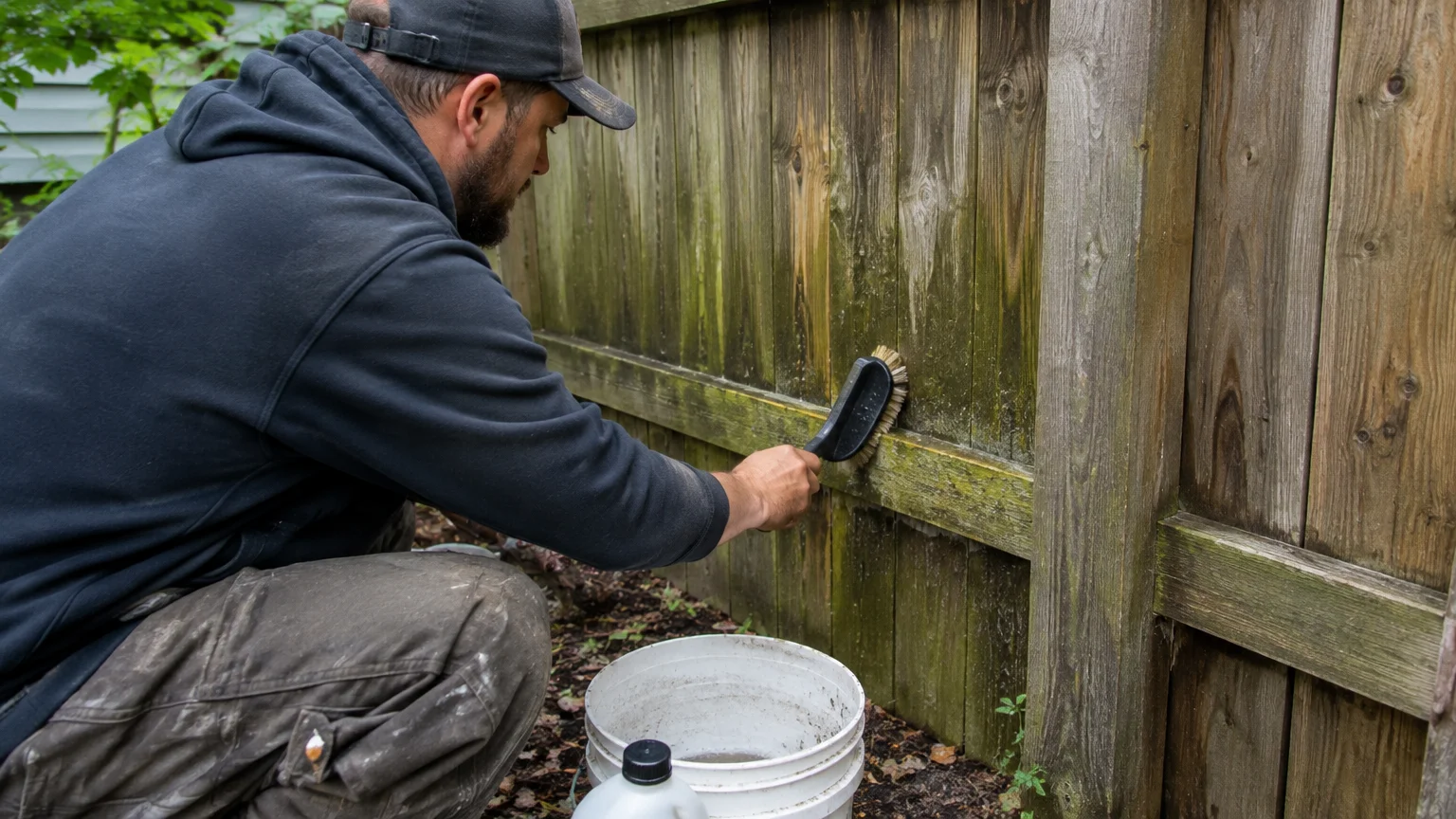
Wood fences need gentle care because water and pressure can cut the grain and raise fibers. Start with a mild cleaner, a soft brush, or a low-pressure rinse. Work in small sections so the surface stays wet without becoming soaked.
Inspect each board before cleaning. Repair or replace loose, cracked, or rotten wood first. Water can make weak boards fail, and pressure can widen cracks that already exist.
What pressure and cleaner work best on wood?
Use the lowest pressure that removes the dirt. A wide spray spreads water over more space and lowers the chance of marks. Keep the wand moving, and do not hold it close to one board for long.
Use a cleaner made for exterior wood instead of a strong household chemical. Follow the label, and never mix cleaning products. Strong chemicals can strip stain, harm plants, or change the wood color.
Aim the spray along the grain when possible. Do not force water into seams, knots, fasteners, or end grain. These areas can absorb water quickly.
How can algae, mildew, and stains be removed safely?
Apply the cleaner from the bottom upward when the label allows it. This may help reduce streaks. Let the solution sit for the stated time, then scrub lightly with a soft brush.
Rinse from the top down with clean water. Check the surface as it dries. A second gentle pass is safer than one harsh pass. Dark growth may need more than one cleaning cycle, especially in shaded areas.
Let wood dry fully before staining or sealing. Damp wood can trap moisture under a new coating. Deck Cleaning Services may also help when a fence connects to a deck or outdoor living area.
How do you clean vinyl and composite fence panels?
Vinyl and composite panels often need less pressure than people expect. A mild cleaner, soft brush, and garden hose can remove most loose dirt. Strong pressure can leave marks, open seams, or harm the surface finish.
Read the fence maker’s care instructions when they are available. Some finishes may react to bleach, solvents, abrasive powders, or stiff brushes.
How should vinyl fencing be cleaned?
Rinse loose dirt from the panel first. Apply a mild cleaner with a soft cloth or soft nylon brush. Work in small areas, then rinse from the top down.
Do not use abrasive pads or metal brushes. They can scratch vinyl and make future dirt stick more easily. Avoid aiming a strong stream at seams, caps, hinges, and post covers.
Black marks may need gentle, repeated cleaning. Scrubbing harder can spread the mark or dull the vinyl. Test a hidden area to make sure the cleaner will not change the panel color.
How should composite panels be washed?
Composite fencing may have a textured finish that holds dirt in its grain. Use a soft brush that follows the panel texture. Rinse well so cleaner does not dry inside the surface pattern.
Keep pressure low and keep the spray moving. Do not assume composite fencing can handle the same force as brick or concrete. Some panels have a protective surface that can become uneven under strong spray.
Composite panels near decks may collect pollen, algae, and soil together. Clean each surface with a method made for its material. Composite Deck Washing and Deck Cleaning Service work should not use one pressure setting for every surface.
How do you clean a metal fence?
Metal fences need care because water can reach joints, fasteners, and damaged coatings. Begin with a hose rinse and mild cleaner. Use a soft brush for dirt and growth, then rinse the fence well.
The main goals are to remove soil without stripping paint and to keep moisture away from exposed metal. Aluminum usually resists rust, but it can still stain or lose its finish. Steel and wrought iron may rust where the coating has failed.
How can surface dirt, rust stains, and growth be removed?
Use a soft brush on painted or coated metal. Avoid wire brushes unless you are preparing a small area for repair and plan to remove the coating. A wire brush can scratch sound paint and expose fresh metal.
Treat small rust spots according to the coating maker’s directions. Test any rust product before using it across the fence. If rust covers fasteners, welds, or large sections, repair may need to come before cleaning.
Algae and mildew often collect in damp, shaded areas. A mild cleaner can loosen this growth. Rinse the residue away instead of letting it dry on the coating.
How can corrosion be prevented after washing?
Dry metal joints, hinges, caps, and fasteners with a clean cloth. Look for chipped paint and exposed metal after the fence dries. Touch-up work may protect small damaged areas, but the surface must be clean and dry first.
Do not trap water beneath loose paint or around blocked drainage points. Fix sprinklers that spray the fence often. Keep soil and mulch below the bottom rail when possible so the metal can dry.
A professional can help when rust returns quickly, posts move, or the coating is badly damaged. Cleaning alone cannot fix structural corrosion or a failing finish.
What mistakes can damage a fence during cleaning?
The most common mistakes are using too much pressure, choosing a harsh cleaner, and skipping the test spot. Fence cleaning should remove soil without removing the surface beneath it. More force does not always create a cleaner result.
Another mistake is using one method for every material. Wood, vinyl, composite, and metal react in different ways. A pressure setting that works on one section may leave lines or damage on another.
Which tools and cleaners should be avoided?
Avoid narrow pressure tips, stiff metal brushes, abrasive powders, and strong solvents unless the product maker allows them. Do not mix bleach with ammonia or other cleaners. Chemical mixtures can create dangerous fumes.
Common problems include:
- Holding a pressure washer too close to the fence
- Spraying directly into seams, joints, and end grain
- Letting cleaner dry before rinsing
- Ignoring loose, rotten, cracked, or rusted sections
- Cleaning without protecting plants, windows, and outdoor items
A homeowner does not need a professional for light dirt and simple upkeep on a sound fence. Professional cleaning is safer when the fence is tall, fragile, badly stained, hard to reach, or attached to delicate surfaces.
When should a fence be repaired or professionally cleaned?
Repair work should come first when boards are soft, posts move, panels lean, or fasteners are loose. Cleaning may reveal damage, but it cannot restore strength. Seek help when a fence has heavy growth, deep stains, peeling coatings, or widespread rust.
Professional Fence Cleaning Services can match the method to the surface. This matters for homes, rental properties, commercial sites, and shared community fences. In Lake Charles, rain, shade, soil, and nearby trees may affect how quickly grime returns.
How should you rinse, dry, and maintain a clean fence?
Rinse until the water runs clear and no cleaner remains. Start at the top and work down. Check the ground, plants, windows, and nearby surfaces before finishing.
Let the fence dry with good airflow. Open gates when possible, and remove plant covers after spraying stops. Do not apply stain, paint, or sealer while the fence still feels damp.
What should be checked after cleaning?
Inspect the fence in daylight after it dries. Look for raised wood fibers, missed stains, faded areas, loose boards, rust spots, and water around hardware. A dry inspection gives a better view than checking while the fence is wet.
If the fence will be stained, follow the coating maker’s preparation rules. The surface may need more drying time or light sanding. Never cover damaged wood or peeling paint without fixing the problem first.
How can a fence stay cleaner for longer?
Routine care helps prevent heavy buildup. Remove leaves from the bottom edge, trim plants away from panels, and fix sprinklers that spray the fence. Clean small dirty areas early instead of waiting for thick growth.
A simple routine can include:
- Checking the fence during regular yard care
- Removing soil and leaves from the lower edge
- Rinsing light pollen before it sticks
- Watching shaded areas for algae or mildew
- Repairing chips, cracks, loose boards, and rust early
Fence cleaning should match the material and local weather. Lake Charles Pressure Washing serves property owners across the Lake Charles area, including Downtown Lake Charles, Prien, Sulphur, Moss Bluff, Westlake, Iowa, and nearby communities. The company also offers exterior cleaning for fences and nearby outdoor surfaces.
Key takeaways
- Identify the fence material before choosing a cleaner or tool.
- Test every method in a hidden area first.
- Use low pressure and wide spray patterns on delicate surfaces.
- Repair weak wood, loose panels, and major rust before cleaning.
- Rinse well, dry fully, and check the fence often.
Frequently Asked Questions
Can a homeowner pressure wash a fence?
A homeowner may pressure wash a sound fence when the material allows it and the pressure stays low. Wood needs special care because strong spray can cut the grain. Vinyl and composite panels can also suffer damage from close, forceful spray. A garden hose and soft brush are safer for light dirt.
What is the difference between pressure washing and soft washing?
Pressure washing uses water force to remove dirt. Soft washing uses lower pressure and a cleaning solution to loosen growth and stains. Fence cleaning often needs a gentle method because wood, paint, vinyl, and composite finishes can suffer from strong spray.
How often should a fence be cleaned?
A fence should be cleaned when dirt, algae, mildew, pollen, or stains begin to build up. Shaded and damp areas may need care sooner than sunny sections. Regular rinsing and debris removal can reduce heavy buildup. The best schedule depends on weather, trees, irrigation, and fence material.
Should a fence be cleaned before staining?
Yes, a fence should be clean and fully dry before staining. Dirt and growth can stop stain from bonding with the surface. Cleaning also reveals damaged boards and old coating problems. Follow the stain maker’s drying and preparation instructions before applying a new finish.
When is professional fence cleaning a better choice?
Professional cleaning helps when a fence is tall, fragile, badly stained, hard to reach, or connected to delicate surfaces. It also helps when you are unsure which cleaner or pressure setting is safe. A professional can spot repair needs before cleaning causes more damage.
Conclusion
Learning how to clean a fence starts with the material, not the machine. Gentle tools, a small test area, careful rinsing, and full drying help protect wood, vinyl, composite, and metal panels. Regular upkeep also helps property owners find damage before it spreads.
If you are unsure which method fits your fence, Contact us today to discuss safe fence cleaning with Lake Charles Pressure Washing.
If you are not sure what you are dealing with, it is worth having someone look at it before it turns into a bigger job. Get in touch with Lake Charles Pressure Washing today and we will tell you where you stand.